

Lip Tattoo Course – Amazing PMU Training [2024]
With the growing popularity of long-lasting lip color procedures, lip tattoo course and permanent makeup training focused on lip tattoos has become increasingly in-demand. For beauty professionals looking to expand their skillset, completing an in-depth lip tattoo course is the vital first step to adding these sought-after services.
Lip tattoos that enhance shape, color and definition have become an increasingly sought-after treatment, leading to strong demand for comprehensive permanent makeup training focused on lips. For beauty professionals looking to expand their skillset, a lip tattoo course that provides extensive hands-on practice is the essential first step to adding this profitable service.
Understanding Permanent Lip Tattooing
Also referred to as micropigmentation or cosmetic tattooing, lip tattoos involve the application of semi-permanent pigment into the lips. This creates beautifully shaped, colored and defined lips with results lasting 1-3 years on average. Lip tattoos have evolved from the solid, painted look of decades past, with a greater emphasis now on subtle, graduated color and soft definition.
Benefits for Clients
There are many reasons clients request lip tattoo procedures:
- Saves time spent applying lipstick and liner daily
- Provides symmetry and balances uneven lips
- Minimizes thin fading lips and feathered lip line borders
- Great option for those unable to apply regular lipstick evenly
- Defines and contours lips; creates fuller shaped lips
- Long-lasting results; fades over years rather than rubbing off daily
- Waterproof, smudge-proof vibrant lip color
Choosing the Right Lip Tattoo Training
It is crucial to select a lip tattoo course taught by experienced, licensed practitioners. Avoid shortcuts; look for programs that:
- Thoroughly cover sanitation, skin analysis, client safety protocols
- Review facial anatomy with a focus on lip muscles and structure
- Teach complementary color theory for natural, flattering lip shades
- Provide hands-on practice on live models and prosthetic lips
- Include business marketing skills and legal guidelines
- Prepare students for passing state licensing exams
- Offer continued support and supervised practice after initial training
Key Topics in Quality Lip Tattoo Courses
A comprehensive lip tattoo program covers:
- Facial anatomy – muscles, skeletal structure, lip shape analysis
- Skin health – conditions, contraindications; client suitability assessment
- Safety – proper sanitation, sterilization, cross-contamination prevention
- Equipment – needle groupings, machine speed and voltages
- Pigments – color options, mixing, dilution; custom blending
- Numbing – topical anesthetics for maximum client comfort
- Procedures – lip lining, shading, ombre; corrective techniques
- Practice – hands-on training on prosthetic and live models
- Aftercare – healing process, follow-ups, client instructions
- Business skills – licensing requirements, legal guidelines, marketing
Preparing for a Career in Lip Tattooing
Follow these key steps to become a lip tattoo artist:
- Select a highly reviewed training program with an experienced instructor.
- Commit ample study time to master color theory, skin analysis, techniques.
- Practice extensively on models under supervisor guidance.
- Pass any licensing examinations required in your state.
- Build an online portfolio; market services through social media.
- Continuously expand expertise with ongoing education.
- Open professional lip tattoo studio.
- Cultivate referral networks by offering exquisite work.
Starting Your Lip Tattoo Business
Those new to permanent makeup should expect to invest 6 months to a year in intensive training and practice before taking on paying clients. Budget ample time for:
- Completing a high-quality lip tattoo course: approximately 50 hours
- Studying facial anatomy, color theory: approximately 40+ hours self-study
- Practicing on 10-20 models under supervision: 120+ hours
- Photographing work for professional portfolio: 10 hours
- Observing experienced lip tattoo artists: 15+ hours
With diligent dedication to perfecting techniques, a lip tattoo artist can build a strong reputation and loyal client base for a satisfying career.
Continuing Education is Crucial
Ongoing learning should include:
- Attending advanced trainings yearly
- Participating in forums and groups of lip tattoo professionals
- Reading books, publications related to permanent makeup
- Practicing new techniques regularly to refine skills
- Staying updated on trends, innovations in products and methods
Rewarding Specialty with Endless Potential
For artists seeking a creative path, lip tattoos are an ideal way to combine artistry with helping people look their best. With passion and thoughtfulforever training, permanent makeup for lips can lead to an unlimited career.
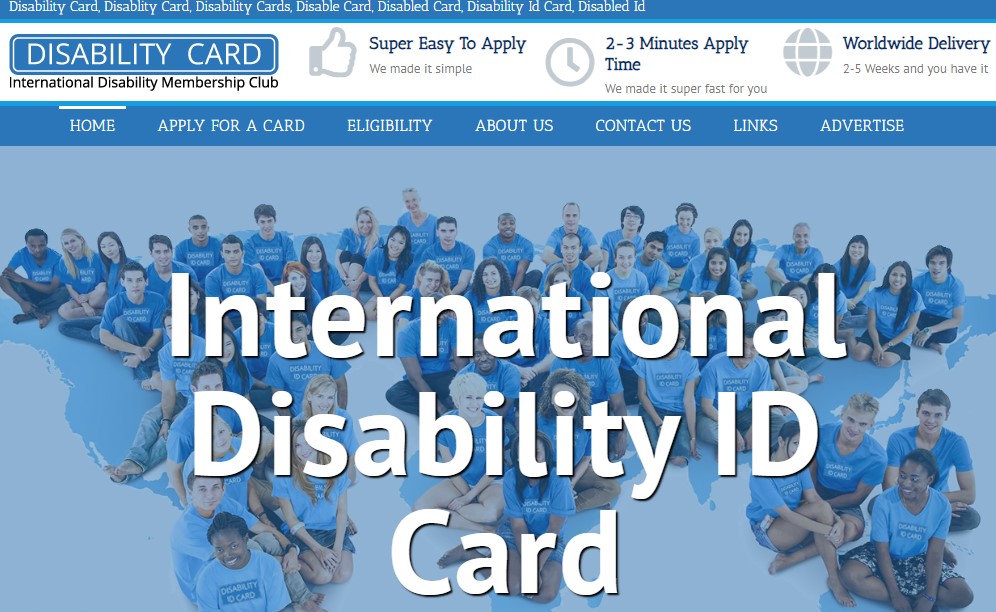
World of Disability Card – The Ultimate 101 Guide
For people with disabilities, a disability card can make life much easier by providing access to accommodations, discounts and services. But how do you obtain a disability card and start taking advantage of the benefits? This comprehensive guide explains everything you need to know about getting and using disability cards.
What is a Disability Card?
A disability card, sometimes called a handicap ID card, is official documentation identifying that the holder has a disability. Disability cards are issued by local, state or federal government agencies upon application and verification of disability status.
The card does not disclose the specifics of the disability, only that the individual qualifies for certain accommodations, discounts and exemptions due to having a disability. The card serves as proof of disability status for various purposes.
Benefits of Having a Disability ID Card
Depending on the issuing agency, a disability ID card can provide the holder with:
- Discounts on goods, services, transportation, entertainment, recreation, etc.
- Waived or reduced fees for government programs
- Priority access to buildings with accommodations like ramps, elevators, accessible restrooms
- Reserved special parking spaces close to building entrances
- The ability to move to the front of lines for services, airport security, entertainment venues, etc.
- Exclusive access to disability services and resources
- Tax benefits
Disability Card Eligibility
Eligibility requirements for disability cards vary somewhat depending on the jurisdiction. But in general, applicants need to:
- Have a qualified disability that meets the criteria
- Provide medical documentation from a licensed professional confirming the presence of the disability
- Be a legal resident of the city/county/state issuing the card
- Pay any application fees
- Renew expired cards periodically to keep them current
Types of Disabilities That Qualify
Physical disabilities, intellectual or developmental disabilities, mental health conditions, and chronic illnesses may qualify an individual for a disability card. The disability must cause significant limitation to one or more major life activities.
Examples of commonly eligible disabilities include blindness, deafness, mobility impairments requiring wheelchair use, autism spectrum disorder, Down syndrome, spinal cord injuries, amputations, mental illnesses such as schizophrenia, seizure disorders, diabetes, multiple sclerosis, PTSD, and HIV/AIDS.
How to Apply for a Disability Card
Follow these steps to obtain a disability card in your area:
- Check the eligibility requirements and documentation needed for a disability ID card issued in your city, county or state.
- Have your licensed doctor, therapist or specialist complete a Certification of Disability form or signed letter confirming your disability status.
- Gather the necessary application documents such as a photo ID, proof of residency, medical records if needed, etc.
- Obtain a disability card application form from the issuing government agency.
- Fill out the disability card application fully and accurately.
- Submit the completed application along with documentation and any required fees to the government agency.
- Wait for the agency to process your application and issue your disability card, which may take several weeks.
- Renew your disability card on the required schedule to keep it up-to-date.
Key Documents Needed to Apply
To avoid delays in processing, make sure you have the following when submitting a disability card application:
- A current government-issued photo ID such as a driver’s license or passport
- Proof of residency such as a utility bill in your name
- An official Certification of Disability form or signed letter from your doctor, therapist or specialist
- Copies of relevant medical records or history documenting your disability (if required)
Using Your Disability ID Card
Once you receive your approved disability card in the mail, keep it in a safe place but have it readily available when needed. Here are some key tips for properly utilizing your disability card:
- Be prepared to also show a valid government-issued photo ID along with your card to verify identity.
- Notify the issuing agency immediately if your card is lost or stolen, and apply for a replacement.
- Check ahead of time which local businesses offer discounts or accommodations for disability card holders, as policies vary.
- Contact government agencies directly about their specific policies on using a disability card for fee waivers, special access, etc.
- Keep your disability card current by submitting renewals and updated paperwork on the schedule required by your area.
Stay Informed on Using Your Card
To maximize the benefits of having a disability card:
- Notify the issuing agency any time your contact details like address or name change.
- Be familiar with the renewal/reapplication requirements and timeline for your card.
- Join local disability advocacy groups to learn about services accepting disability cards.
- Speak up and identify yourself as a card holder to access benefits.
Obtaining a disability card can be extremely beneficial for those managing disabilities. This guide covers everything you need to know to get your card and start utilizing the privileges it provides!